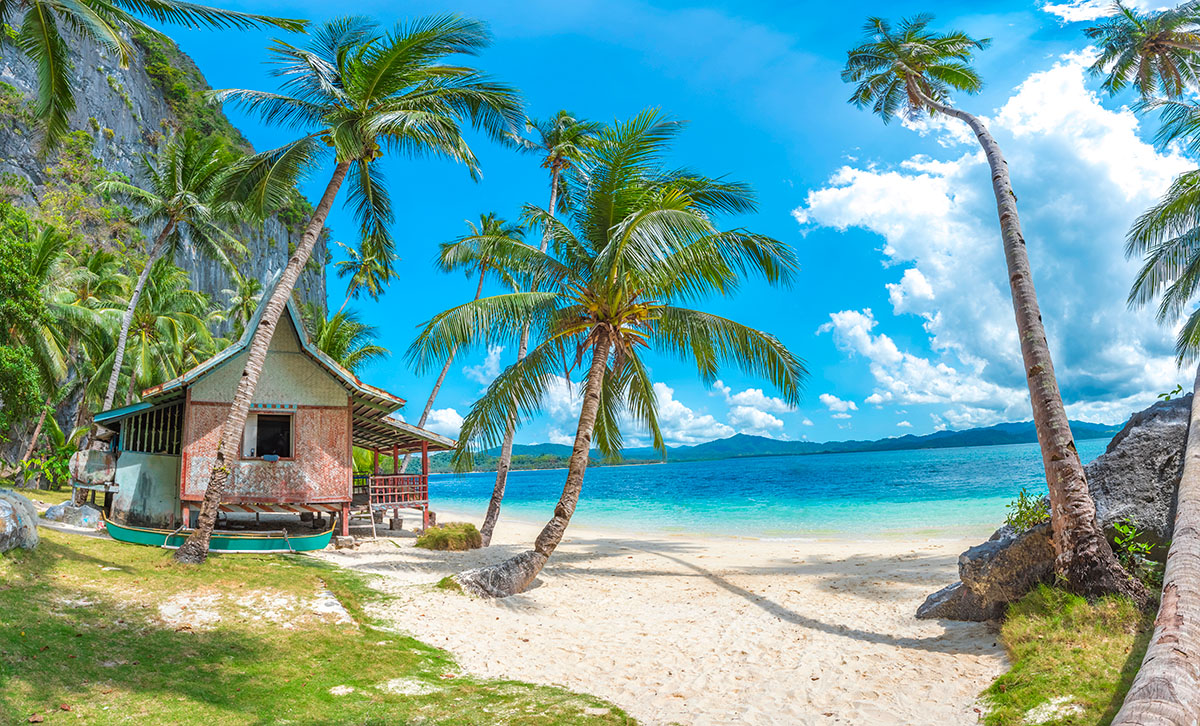
For decades, Palawan has been the darling of travel magazines, consistently draped in titles like “The Best Island in the World.” We’ve all seen the postcards: jagged limestone karsts slicing through emerald waters and secret lagoons that look more like cinematic sets than real geography.
But in 2026, the conversation has shifted. As global travel authority Frommer’s released its highly anticipated “Best Places to Go” list, Palawan didn’t just make the cut for its aesthetics—it was highlighted as a premier destination for conscious travelers. This year, the focus isn’t just on the “where,” but the “how.” Palawan has become a masterclass in how a destination can balance massive global popularity with a deep, uncompromising commitment to environmental and community stewardship.
A Legacy of Protection: The “Last Frontier”
Palawan has long been known as the Philippines’ “Last Ecological Frontier,” a title it earns through its sheer biodiversity. However, Frommer’s 2026 selection emphasizes that this “frontier” remains intact not by accident, but by design.
The province is home to two UNESCO World Heritage Sites—the Tubbataha Reefs Natural Park and the Puerto Princesa Subterranean River National Park. In 2026, the management of these sites has become a global benchmark. Visitors to the Underground River, for instance, aren’t just tourists; they are participants in a highly regulated conservation model that limits daily foot traffic to ensure the delicate cave ecosystem and its resident wildlife remain undisturbed.
Community-Based Tourism: The Heart of the Experience
What truly sets Palawan apart in 2026 is the success of its Community-Based Tourism (CBT) initiatives. Frommer’s highlights that the most “authentic” experiences now happen away from the crowded centers of El Nido and Coron, in towns like San Vicente, Brooke’s Point, and Taytay.
- San Vicente’s Long Beach: Home to the Philippines’ longest white-sand beach (nearly 14 kilometers of untouched bliss), tourism isn’t just about big resorts. Local fisherfolk families have been empowered to transform their homes into eco-lodges. They aren’t just your hosts; they are the guardians of the mangrove forests that protect the shoreline from the intensified storms of the 2020s. the community rather than being siphoned off by international chains.
- Brooke’s Point and Taytay: Local guides here are no longer just showing the way; they are educators. Trained in responsible snorkeling and heritage walks, they offer a window into a lifestyle that has lived in rhythm with the Sulu Sea for generations.
- Puerto Princesa Subterranean River: More than just a cave tour, this site limits daily visitors to ensure the delicate ecosystem of the underground river remains undisturbed for generations.
- Tubbataha Reefs Natural Park: Often cited as the apex of marine biodiversity, this protected area is a masterclass in how strict regulations can save a reef system from the brink.
When you stay here, your dollars don’t disappear into a corporate vacuum – they fund the reforestation of the very coast you’re walking on.
Beyond the “Big Three” (El Nido, Coron, Puerto Princesa)
What makes Palawan Frommer’s top pick for 2026 is the invitation to go off the beaten path. Conscious travelers are increasingly heading south to Balabac, where the shores turn pink at dusk, and the rhythm of life remains beautifully unhurried.
Even in the bustling hubs of El Nido, the shift is palpable. Major hospitality players, such as the Ten Knots Group, have pioneered sachet-free and plastic-free operations, proving that luxury and low-impact travel are not mutually exclusive. When you order a drink at a beach club here, it doesn’t come with a plastic straw; it comes with a view that hasn’t changed in a thousand years.
In Coron, the focus remains on “slow travel.” Divers are encouraged to explore the hauntingly beautiful WWII shipwrecks not as mere spectacles, but as artificial reefs that have become thriving nurseries for aquatic life.
“When destinations like Palawan are celebrated, what the world is really seeing are the communities behind them – the stewards who protect every reef, forest, and shoreline.” — Maria Margarita Montemayor Nograles, COO of TPB Philippines
How to Visit Palawan Responsibly in 2026
To truly honor the Frommer’s “conscious traveler” spirit, consider these tips for your next journey:
- Choose Community-Led Tours: Instead of large-scale commercial operators, look for tours managed by local cooperatives. This ensures your travel dollars go directly into the pockets of the people protecting the reefs.
- Pack Mindfully: With strict plastic regulations across the province, bring high-quality reusable gear and reef-safe sunscreen.
- Linger Longer: Instead of “island hopping” in a rush, pick one or two regions (like San Vicente or Culion) and stay for a week. Deep immersion reduces your carbon footprint and increases your cultural understanding.
- Choose Eco-Certified Stays: Look for accommodations with A-grade sustainability ratings or those that utilize rainwater harvesting and solar energy.
Final Thoughts: Beyond the Frame
Palawan in 2026 is proof that a destination can be “viral” without losing its soul. It’s a reminder that paradise is not a resource to be consumed, but a responsibility to be shared. By choosing Palawan, you aren’t just taking a vacation – you’re supporting a blueprint for the future of global tourism.
Frommer’s got it right: Palawan is no longer just a postcard. It’s a promise kept.
#ConsciousTraveler #SustainableTourism #RegenerativeEcotourism #EcoFriendlyTravel #CommunityBasedTourism #PhilippineTourism2026 #TheLastFrontier #FrommersBestPlaces