Looking out the small oval window of the airplane, I caught a clear view of the fractured Baltimore bridge down below. It was a stark, quiet reminder of human engineering—and the fragile nature of the heavy footprints we leave on our environment. Historically, humanity has maintained a deep, long-standing reliance on waterways, but modern technology places an immense burden on these delicate ecosystems. As a believer in sustainable travel, that view served as an anchor for our environmental focus on this trip.
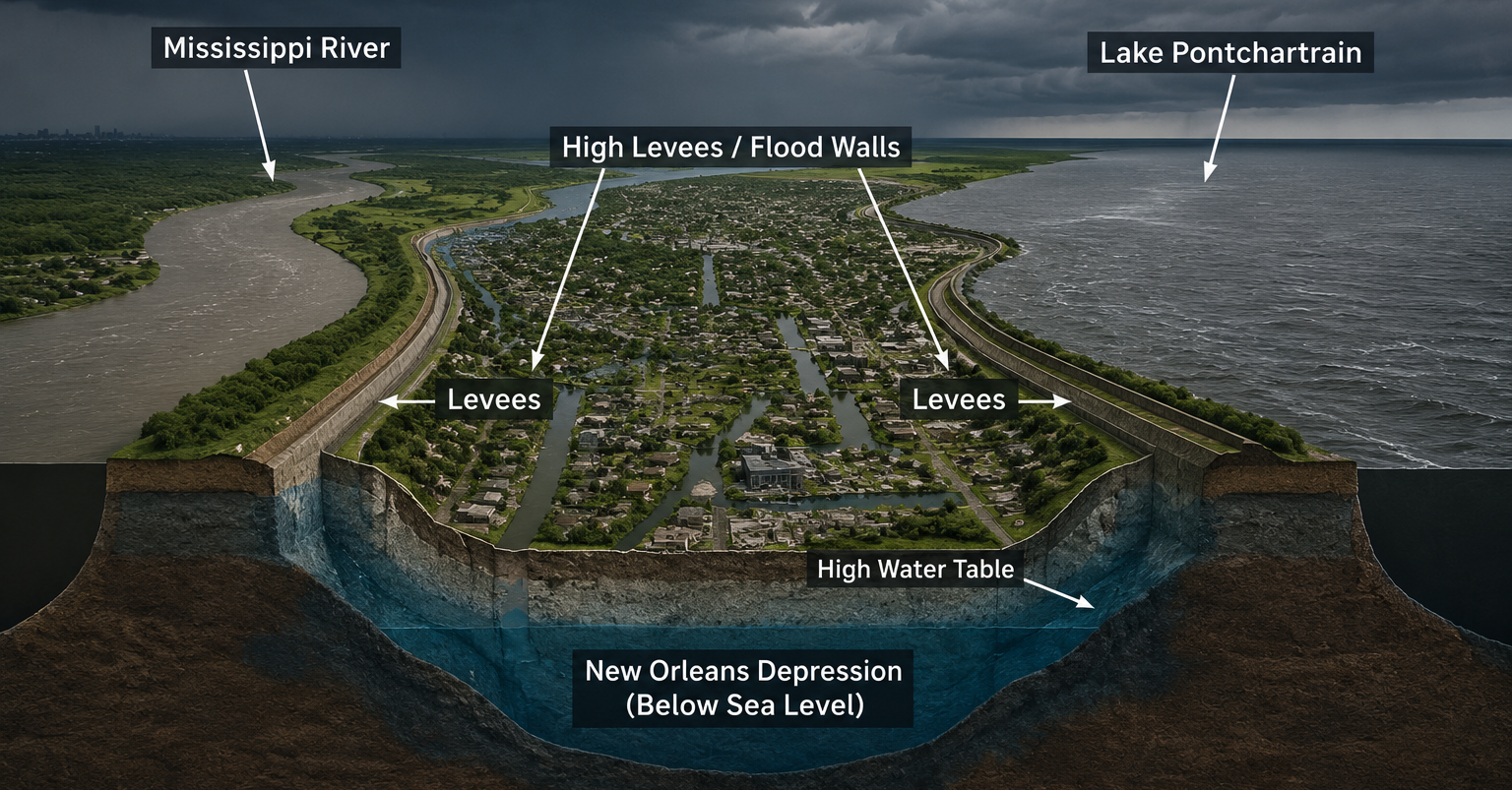
Framing the New Orleans narrative requires acknowledging a complex tension between natural erosion and human-influenced climate change. To accurately report on this ecosystem, we must first clarify the geography of this historic city: New Orleans sits below sea level in a bowl-shaped valley between the Mississippi River and the brackish Lake Pontchartrain estuary system.
With a high water table, this unique topography dictates every facet of local life and death. For instance, traditional underground burials are impossible here. Instead, the city utilizes historic above-ground cemeteries with stone tombs. These tombs are designed for remains to decay naturally for a year before the bones are moved into a deeper shaft—a brilliant historical system that avoids contaminating the high water table.

Exploring the History of Above Ground Cemeteries in New Orleans
This environment of above-ground tombs heavily influences the local imagination, likely feeding the city’s famous ghost and witchcraft culture. Furthermore, the extreme fragility of nearby settlements like Venice, Louisiana, underscores how constantly the land is shifting.
Can the city be engineered to survive long-term? While human-made pollutants and climate change undeniably exacerbate severe weather, the climate also cycles through natural changes. New Orleans has survived because it serves as a global model for resilience. Through engineering solutions like levees, pumps, and elevated home construction, the community continues to withstand immense environmental challenges.
Following the devastation of Hurricane Katrina, the community transformed, using cultural anchors like annual Mardi Gras festivals as a reminder of the communities collective grit. Ultimately, New Orleans is likely to endure long-term due to its deep historical roots, cultural significance, and future flood control solutions modeled after delta nations like the Netherlands. The indestructible “human spirit” remains the core brand of the city.
Living sustainably in NOLA starts the moment your plane touches the tarmac. To minimize our environmental footprint, we relied strictly on public transportation. Traveling from Louis Armstrong International Airport (MSY) to downtown New Orleans via the bus is a convenient budget saver. It costs just $1.25 and takes approximately 30 to 40 minutes, which is far cheaper than the >$30 price tag of an Uber.
To manage your routes, the Le Pass app allows users to effectively track buses and purchase mobile passes. While our initial bus transit from the airport was seamless and efficient, our return trip wait times were significantly longer. Through experience, we also learned a structural quirk: passes remain active for a specific duration of time rather than being single-use.
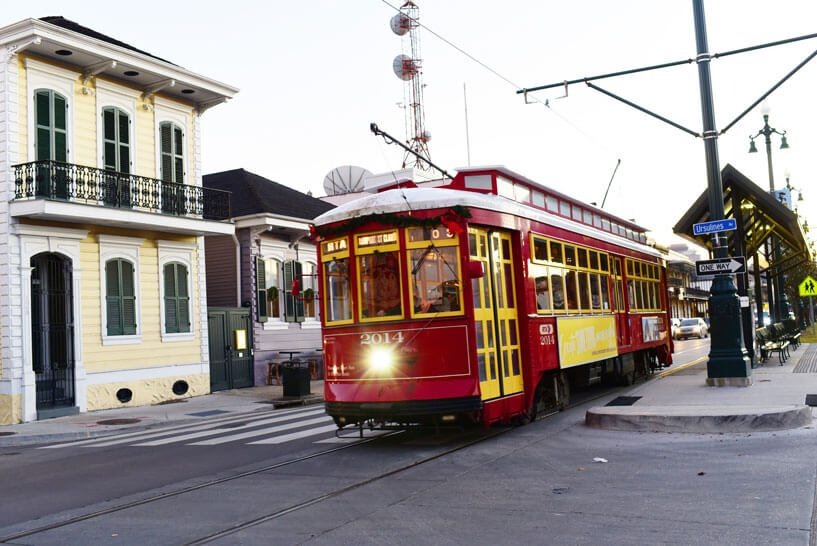
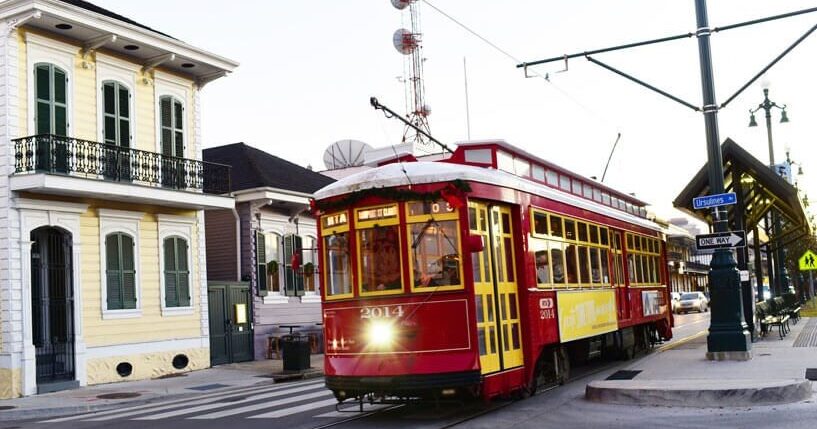
Once you are in the city center, the flat terrain invites foot travel, and the historic streetcar system offers a low-emission alternative. Three separate lines service the French Quarter, including routes running directly along the riverfront and North Rampart Street.
While we noticed the presence of public “Blue Bikes,” we chose not to rent them due to concerns about navigating heavy, unpredictable city traffic. We also observed a significant number of people using personal electric scooters to move around, though formal dockless scooter rental services were visibly absent.
Despite the benefits, public transit has its hurdles. A local student shared a love-hate relationship with the system, citing reliability issues that can pose severe job security risks for the working class and those with limited resources. Furthermore, relying purely on your own two feet can be physically strenuous walking between tourist landmarks, such as the aquarium, Bourbon & Frenchmen Street.
The Green Lodging Alternative: To keep your accommodation footprint more minimalist, consider stepping away from commercial resorts that put pressure on local infrastructure. For this trip, we utilized a home exchange program, staying at a homestay in the Marigny neighborhood on North Rampart Street.
Home exchange functions as an excellent sustainable travel option, allowing travelers to utilize their own property to access a worldwide network. Because it requires property ownership, this criteria serves as a natural filter for the marketplace. Homeowners are generally much more respectful of the spaces they trade, making it a preferred model over traditional short-term rentals like Airbnb.
Our location in the Marigny was incredibly convenient and walkable, situated within an 8-to-20-minute walk of the French Quarter while offering immediate access to the North Rampart streetcar line. Staying in residential areas also reveals the true character of NOLA. You quickly learn about the city’s vibrant culture of “crews”—the local groups who organize neighborhood events and festivals—and its massive community of resident artists. While the French Quarter maintains a non-stop party atmosphere, residential neighborhoods like the Marigny strictly enforce quiet hours to protect the quality of life for locals.
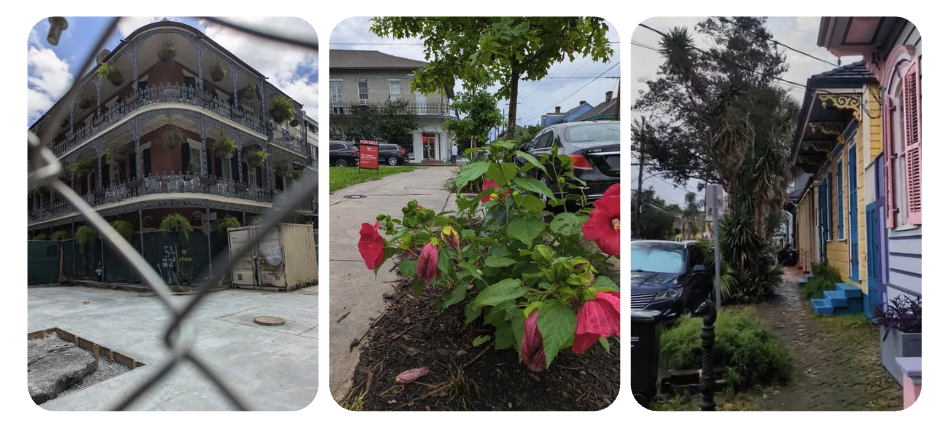
Walking these historic neighborhoods also highlights the physical intersection of nature and infrastructure. Many sidewalks in the Marigny and near the Esplanade are in disrepair, fractured by the powerful roots of beautiful magnolia and oak trees. While these trees cause the concrete and brick sidewalks to become uneven and difficult to navigate—presenting a clear challenge for those with mobility issues—they also provide critical urban shade, beautiful aromas, and vital support for local pollinators. In a heartening nod to urban ecology, the city seems to prioritize preserving these historic trees rather than removing them to fix the sidewalks.
People naturally worry about the massive amount of waste generated in a city famous for its 24/7 celebrations. To see the environmental realities firsthand, we explored both the natural waterways and the densest tourist zones.
A trip down the main trunk of the Mississippi River revealed that the massive river and its immediate shoreline were surprisingly free of floating debris. On land, Bourbon Street certainly gets packed and messy at night, acting as an adult-oriented entertainment zone that generates tons of trash. However, this waste is managed with surprising efficiency by city sanitation efforts. If you take a morning stroll down the very same street, you can see the significant effort that goes into keeping these spaces clean. Before the afternoon crowds arrive, city sanitation crews and independent small business owners sweep, scrub, and wash down the blocks every single night.
Relying largely on a late night party economy is, perhaps, a vulnerability for the city. New Orleans tourism is highly seasonal. Local businesses face intense financial struggles during the hot, quiet summer months of July and August, making a diversified, year-round sustainable tourism model vital. Beyond the main commercial strip, surrounding corridors like Royal, Decatur, and Dauphine offer distinct historic charm, incredible dining, and boutique cocktail experiences. Local swamp tours also provide vital educational opportunities, helping tourists and locals alike understand the fragile wetlands that protect the city from storm surges.
Even the festive, glittering culture of NOLA is getting a green upgrade. While typical commercial souvenir shops do not focus on eco-friendly goods, independent local artists on Frenchman Street are actively engaged in upcycling, creating art that directly addresses the city’s environmental challenges.
The environmental impact of Mardi Gras is often overstated compared to other large-scale annual events, and the city’s culture of art and music serves to remind future generations about the importance of protecting their ecosystem.
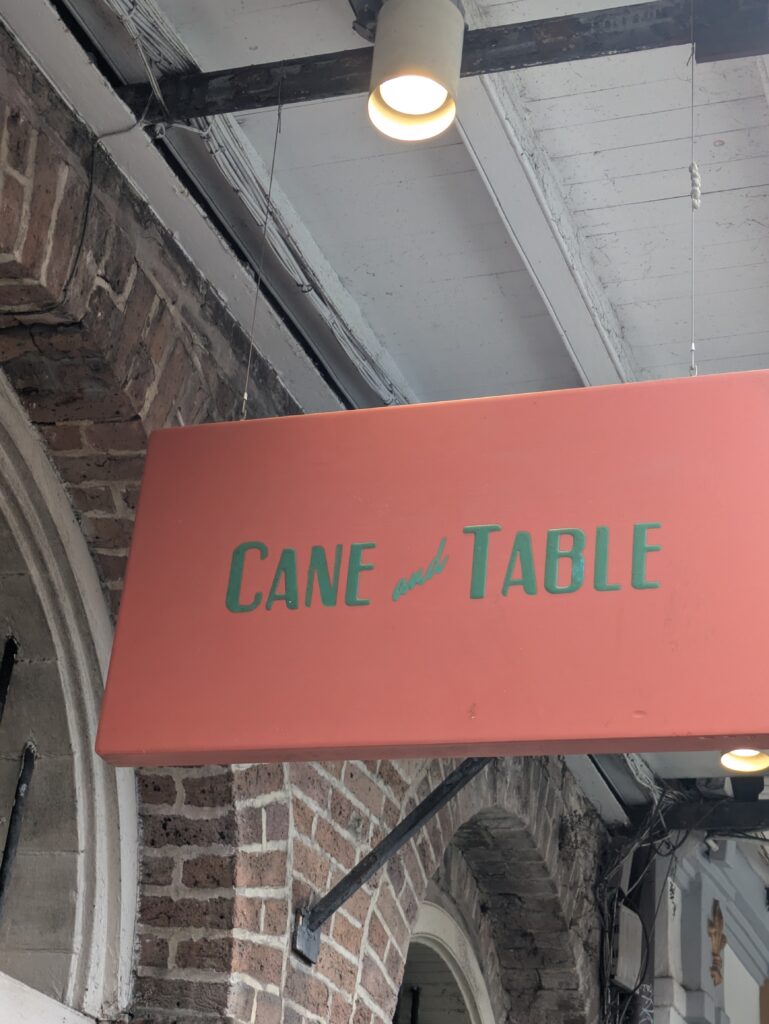
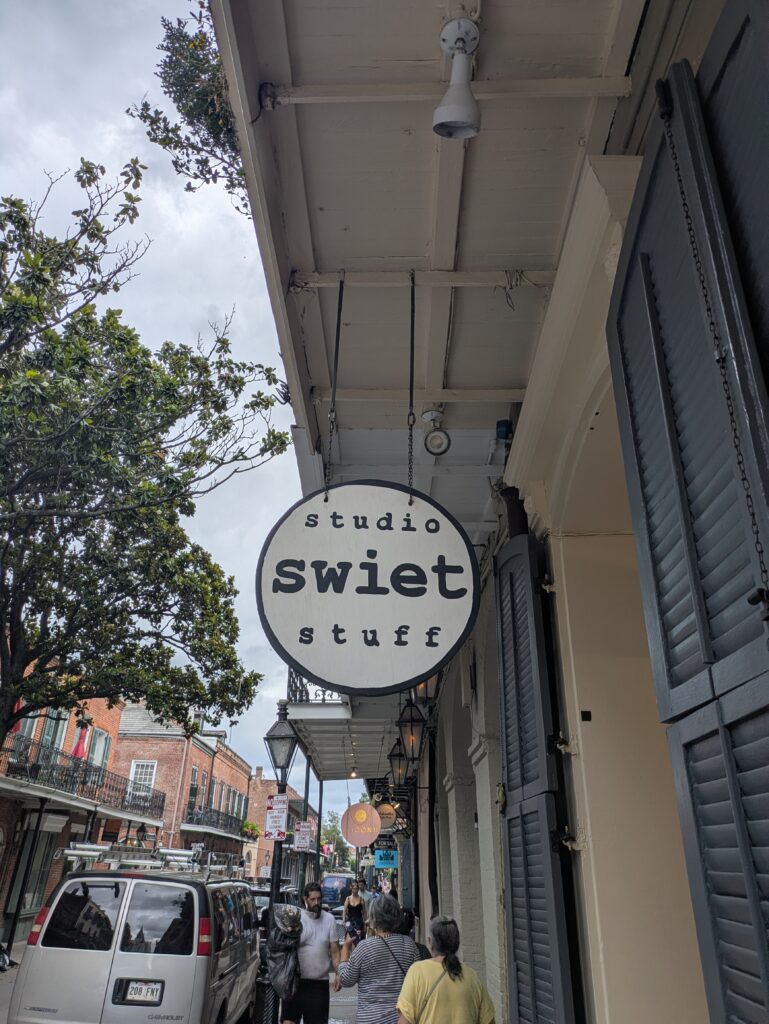

Local small businesses are stepping up to change the commercial narrative from the ground up:
- Cane & Table: Located on Decatur Street near the historic French Market, this restaurant pairs excellent cocktails with an environmental rescue plan. They collect all of their empty glass bottles and route them directly to local recycling pioneers.
- Studio Swiet Stuff: This local boutique proudly stocks Pixie Dust, a supplier of completely plant-based, biodegradable glitter. You can find them downtown on Charles St. near Jackson Square.
- Pixie Dust Biodegradable Glitter: Pixie Dust allows visitors to participate in the city’s vibrant costuming culture without leaving harmful microplastics behind to wash into the local drainage systems. (Click here for our interview with Pixie Dust founder, Samantha Bongiovanni.)
This bottle collection feeds into Glass Half Full and their non-profit partner, Glassroots. Founded in 2020 by Tulane University students Franziska Trautmann and Max Steitz, this initiative began in a backyard with a small, hand-operated machine to address a glaring systemic issue: the City of New Orleans does not include glass in its standard curbside recycling programs.
Today, the grassroots project has expanded into a massive industrial recycling and manufacturing operation that diverts upwards of 100,000 pounds of glass from landfills every single month. Utilizing specialized hammer mills, they pulverize empty bottles into perfectly safe, fine sand and gravel.
Backed by rigorous scientific testing from the National Science Foundation, this recycled sand is used directly in coastal restoration projects to rebuild eroded shorelines, plant native marsh grasses, pack disaster-relief sandbags, and restore neglected community spaces like historic Lincoln Beach. By expanding their reach through dozens of accessible drop-off hubs across the city, they have made it seamless for everyday residents and small businesses to join the fight against coastal land loss.
The Takeaway
New Orleans knows how to throw a party, but its people also know how to innovate, adapt, and protect the place they call home. True sustainability here isn’t found by avoiding the city’s unique friction, but by engaging with it mindfully. By choosing to walk the historic streets, riding the electric streetcars, supporting neighborhood home exchanges, and patronizing local eco-champions, you can experience the unmatched magic of NOLA while helping to keep the Crescent City vibrant, resilient, and green for generations to come.